SPORTS REHABILITATION
Recover fully.
Return stronger.
Performance-focused rehabilitation that takes you from injury to confident training, competition and everything beyond.
Book an assessment HOW WE HELP
More than symptom relief.
A plan for real life.
Getting back to sport takes more than waiting for pain to disappear. We assess the demands of your activity, rebuild the qualities your body needs and use clear milestones to guide a safe, confident return.
Muscle and tendon injuriesLigament sprainsRunning-related painACL rehabilitationShoulder and throwing injuriesReturn after time away
ASSESS THE ATHLETE
Start with the injury and the sport
A diagnosis is only one part of sports rehabilitation. We also need to understand your training schedule, position, competition level, previous injuries, recovery habits and the exact movement or workload that provokes symptoms.
Testing is selected for the injured area and your sport. Depending on the case, this can include range of motion, muscle strength, single-leg control, balance, hopping, running mechanics or upper-limb power. These results establish a baseline and reveal what separates current capacity from sporting demand.
- Compare the injured and uninjured side where appropriate
- Identify training errors and sudden workload changes
- Set performance goals, not only pain goals
REBUILD CAPACITY
Load the healing tissue progressively
Rest alone does not prepare muscle, tendon or ligament for sport. Rehabilitation introduces load at a level the body can tolerate, then gradually increases resistance, speed, range and complexity. The programme may include strength, plyometrics, agility and conditioning.
Symptoms, quality of movement and next-day response help determine progression. A difficult session is not automatically a productive one: the goal is enough stimulus to adapt without repeatedly exceeding current capacity. Fitness can often be maintained with safe alternatives while the injured area catches up.
- Strength before speed and high-impact work
- Power and reactive control for sporting demands
- Planned workload increases with recovery between sessions
RETURN TO SPORT
Bridge rehabilitation and competition
Feeling better is encouraging, but it is not the same as being ready for full competition. Return is normally staged through individual drills, controlled practice, full training and then match play. Each step exposes the athlete to more speed, fatigue, contact or decision-making.
Clearance considers healing time alongside symptoms, strength, functional tests, fitness, confidence and the ability to tolerate training. No single test can guarantee that an injury will not recur, so ongoing strength work and sensible workload management remain important after return.
- Sport- and position-specific drills
- Objective testing alongside athlete confidence
- A continuing injury-risk reduction programme
When medical review mattersPrompt medical assessment is appropriate after major trauma, a visibly deformed joint, inability to bear weight, rapidly increasing swelling, locking, unexplained faintness or suspected concussion.
WHAT TREATMENT MAY INCLUDE
Practical care.
Purposeful movement.
Your programme is selected after assessment and adjusted to your symptoms, health, goals and response to treatment.
Capacity testing
Range of motion, strength, balance and task-specific tests establish a baseline and show what needs to improve.
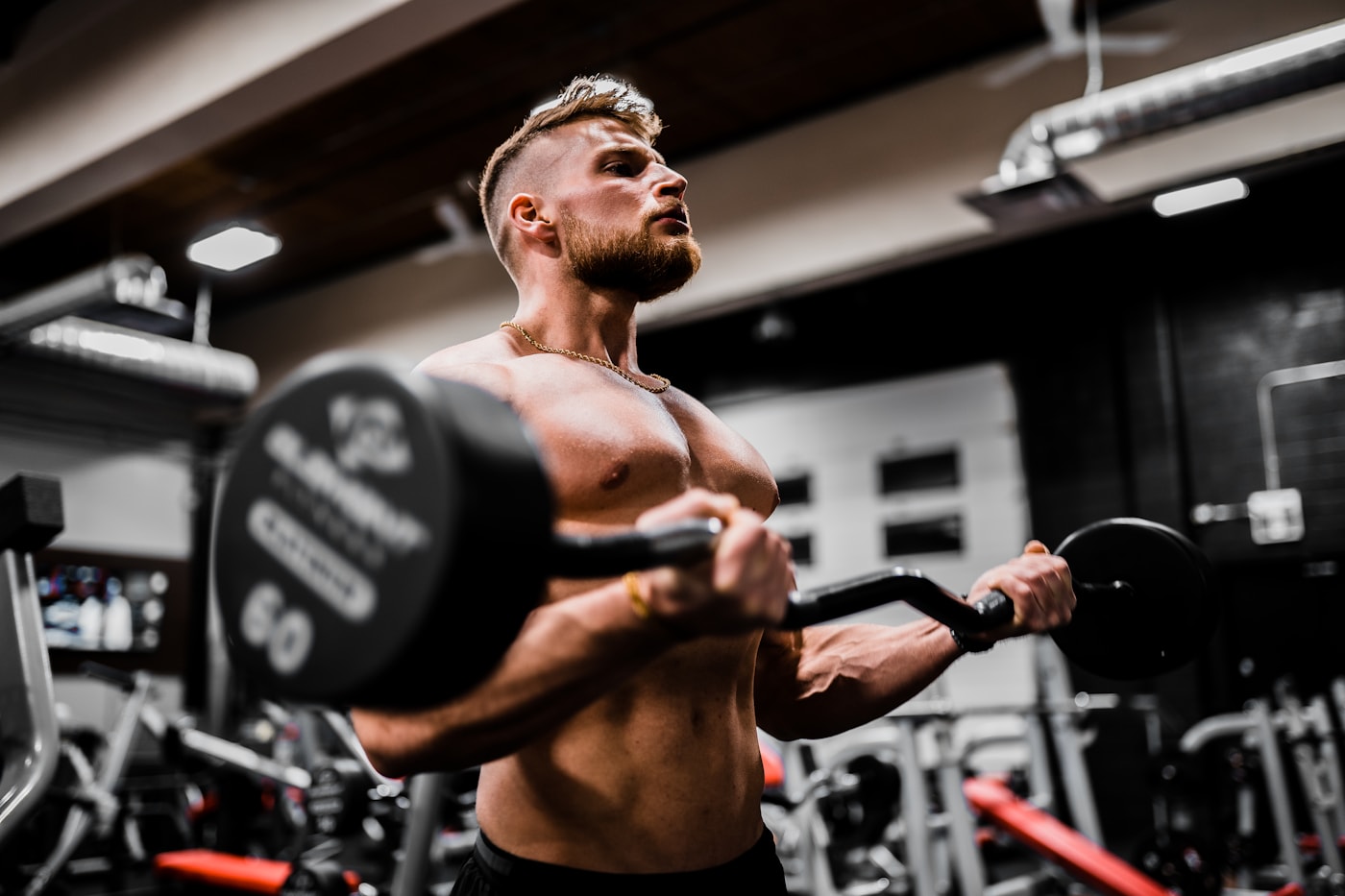
Progressive strength and power
Loading begins at a tolerable level and develops toward heavier, faster and more demanding work as capacity improves.
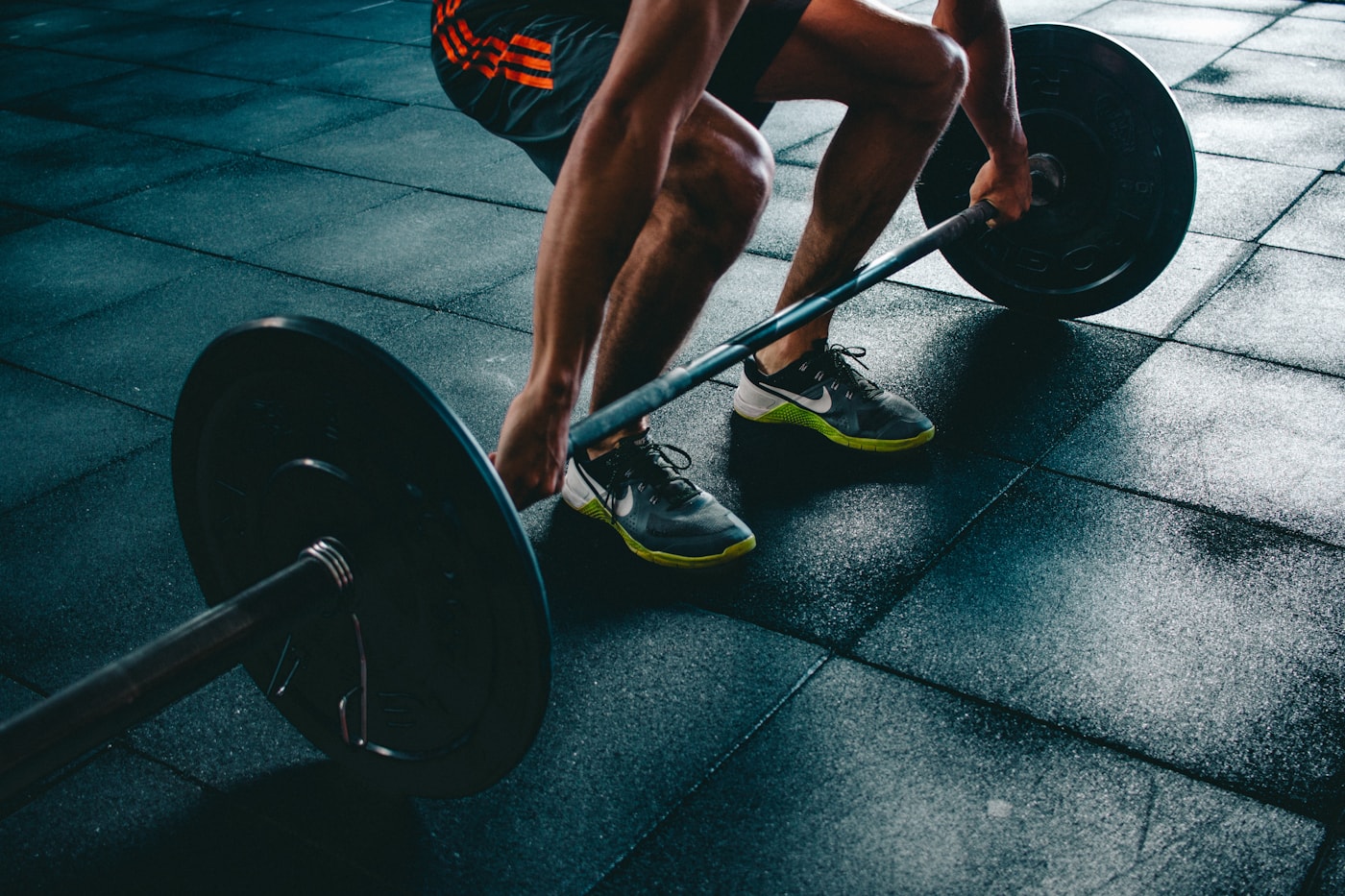
Field and sport preparation
Running, jumping, landing, cutting or throwing drills are reintroduced in stages that reflect your sport and position.
YOUR RECOVERY PLAN
Clear steps.
Measured progress.
- 01
Define the demands
We identify what your sport requires and where your current capacity falls short.
- 02
Rebuild performance
Strength, power, speed and movement drills progress alongside symptom recovery.
- 03
Return to competition
A graded return plan bridges the gap between rehabilitation and full performance.
START YOUR RECOVERY
Ready to move
with confidence?