POST-SURGERY REHABILITATION
Recover safely.
Rebuild confidently.
Structured physiotherapy after orthopaedic surgery, with clear milestones and support at every stage.
Book an assessment HOW WE HELP
More than symptom relief.
A plan for real life.
The weeks after surgery can feel uncertain. We coordinate your rehabilitation around surgical guidance, healing timelines and personal goals so you always understand what to work on and what comes next.
Knee replacementACL reconstructionShoulder surgeryHip replacementFracture rehabilitationSpinal and orthopaedic procedures
BEFORE WE PROGRESS
Your operation guides the plan
Post-surgery rehabilitation is specific to the procedure, tissue repaired and surgeon’s instructions. Weight-bearing limits, braces and permitted movement can differ even between people who have had surgery on the same joint.
At the first appointment we review the discharge information, current medication and precautions. We assess the wound area without disturbing dressings, swelling, movement, muscle activation, walking and the practical tasks that are difficult at home. If instructions are unclear, progression should be coordinated with the surgical team.
- Respect surgical precautions and tissue-healing needs
- Check walking aids and home safety
- Agree on early goals and a realistic home routine
EARLY TO MIDDLE PHASE
Restore movement without rushing healing
Early rehabilitation often focuses on circulation, swelling control, safe transfers, walking and the movement needed for basic daily tasks. Exercises are kept simple enough to repeat correctly at home and adjusted if swelling or pain remains elevated afterward.
As healing permits, the emphasis moves toward restoring range, normalising gait and rebuilding muscle strength. Progress is based on wound status, swelling, control and function as well as time since surgery. Short, regular practice is usually preferable to doing too much in one session.
- Safe walking and gradual reduction of aids when appropriate
- Joint movement within the permitted range
- Progressive activation and strengthening of key muscles
RETURN TO FUNCTION
Prepare for the demands of daily life
Later rehabilitation should look increasingly like the activities you want to return to. That may mean repeated stairs, getting up from the floor, carrying, prolonged standing, work tasks or—in selected cases—running and sport.
Strength, endurance, balance and movement confidence are progressed together. We compare performance with agreed milestones and your surgeon’s guidance before introducing higher-impact or unrestricted activity. A long-term exercise plan supports the result after regular appointments finish.
- Functional strength for stairs, lifting and work
- Balance and endurance for safe independence
- Graded return to recreation or sport when cleared
When medical review mattersContact your surgical team urgently for increasing wound redness or drainage, fever, unexpected severe pain, new calf swelling or tenderness, chest pain or shortness of breath. Follow the discharge instructions supplied by your surgeon.
WHAT TREATMENT MAY INCLUDE
Practical care.
Purposeful movement.
Your programme is selected after assessment and adjusted to your symptoms, health, goals and response to treatment.
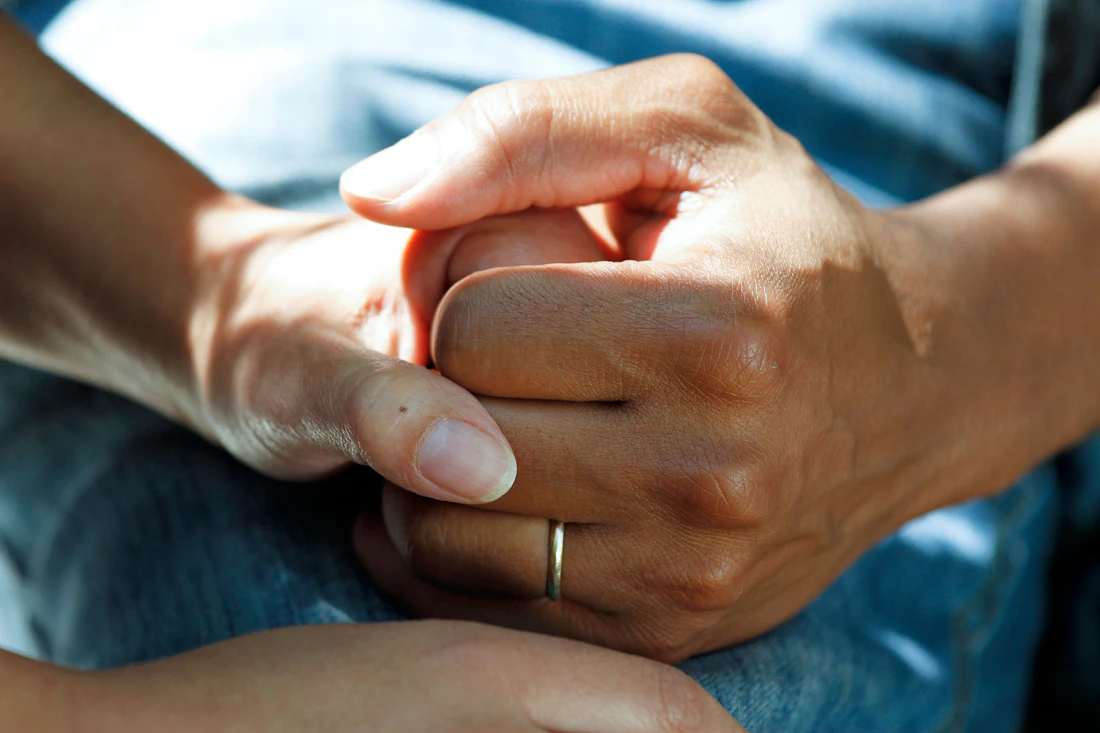
Early mobility and swelling care
Within the surgeon’s instructions, early priorities may include safe transfers, walking, circulation exercises and swelling management.

Movement and gait retraining
Targeted exercises and walking practice help restore joint motion, muscle control and efficient movement as healing permits.

Progressive functional strength
Later rehabilitation builds the strength and endurance required for stairs, work, recreation and—when appropriate—sport.
YOUR RECOVERY PLAN
Clear steps.
Measured progress.
- 01
Early recovery
We manage swelling, restore essential movement and make daily activities safer and easier.
- 02
Strength and control
Your programme progresses as healing allows, with regular checks against clear milestones.
- 03
Return to life
Advanced movement and strength work prepares you for your specific work, sport and lifestyle goals.
START YOUR RECOVERY
Ready to move
with confidence?